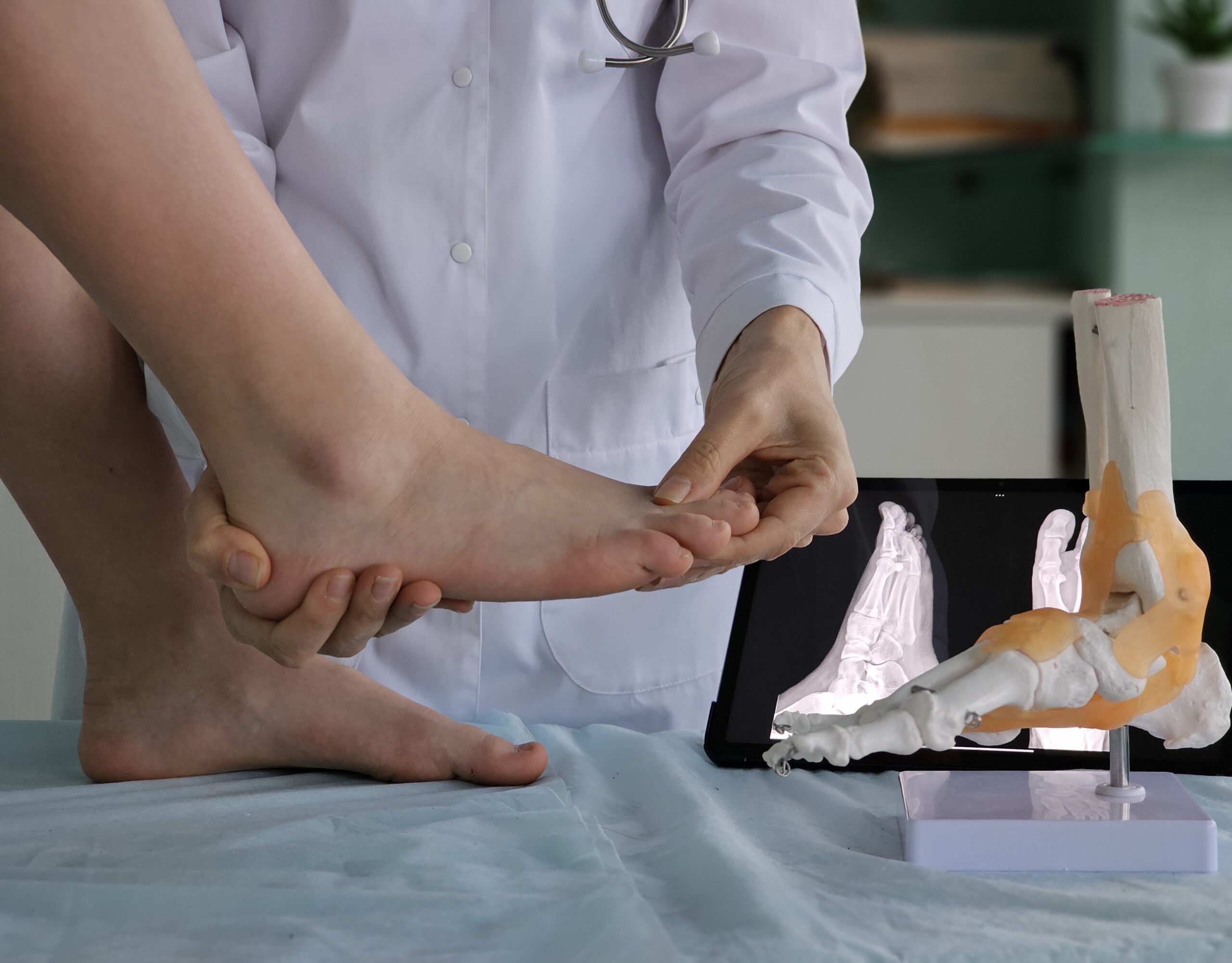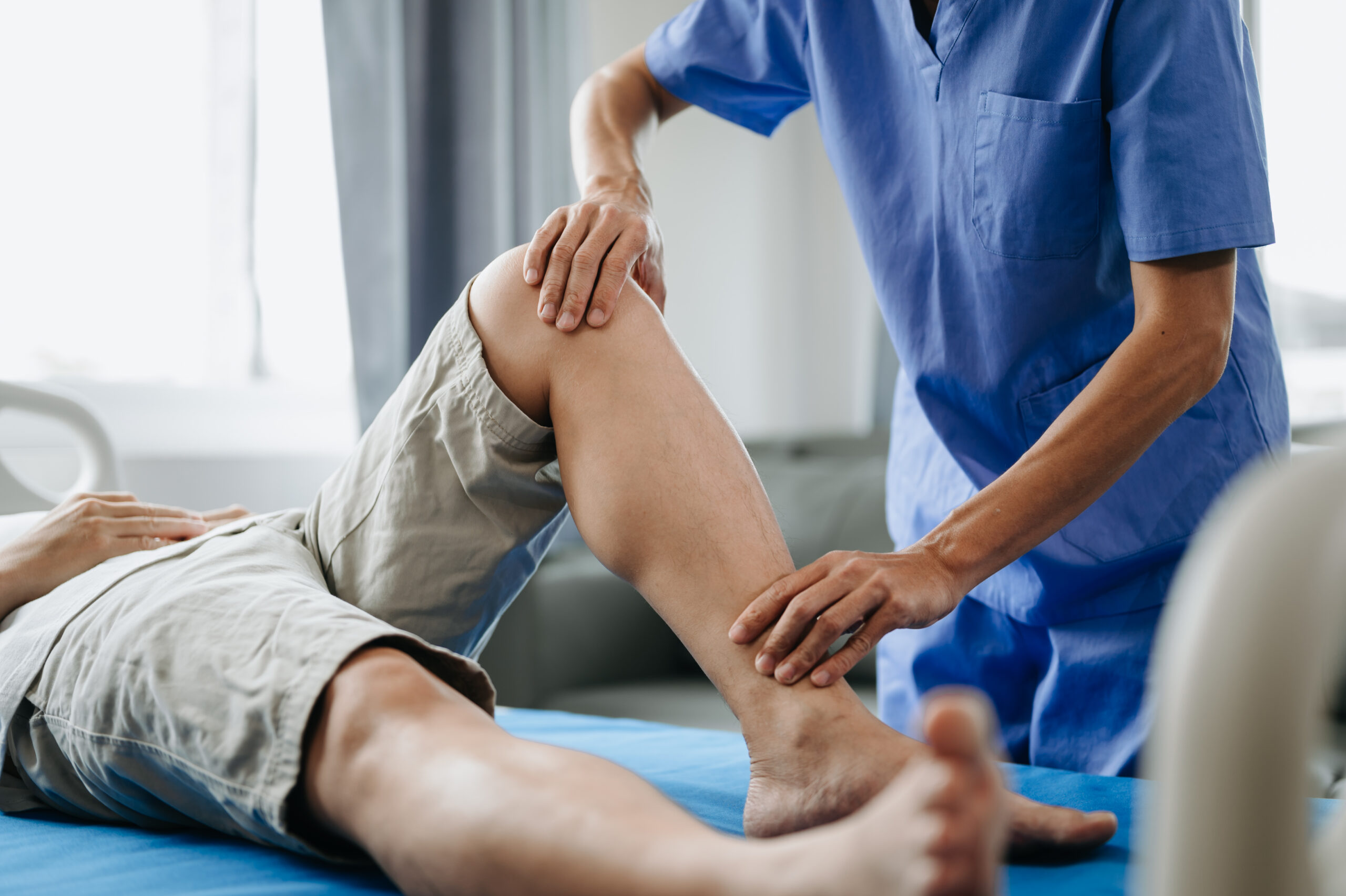
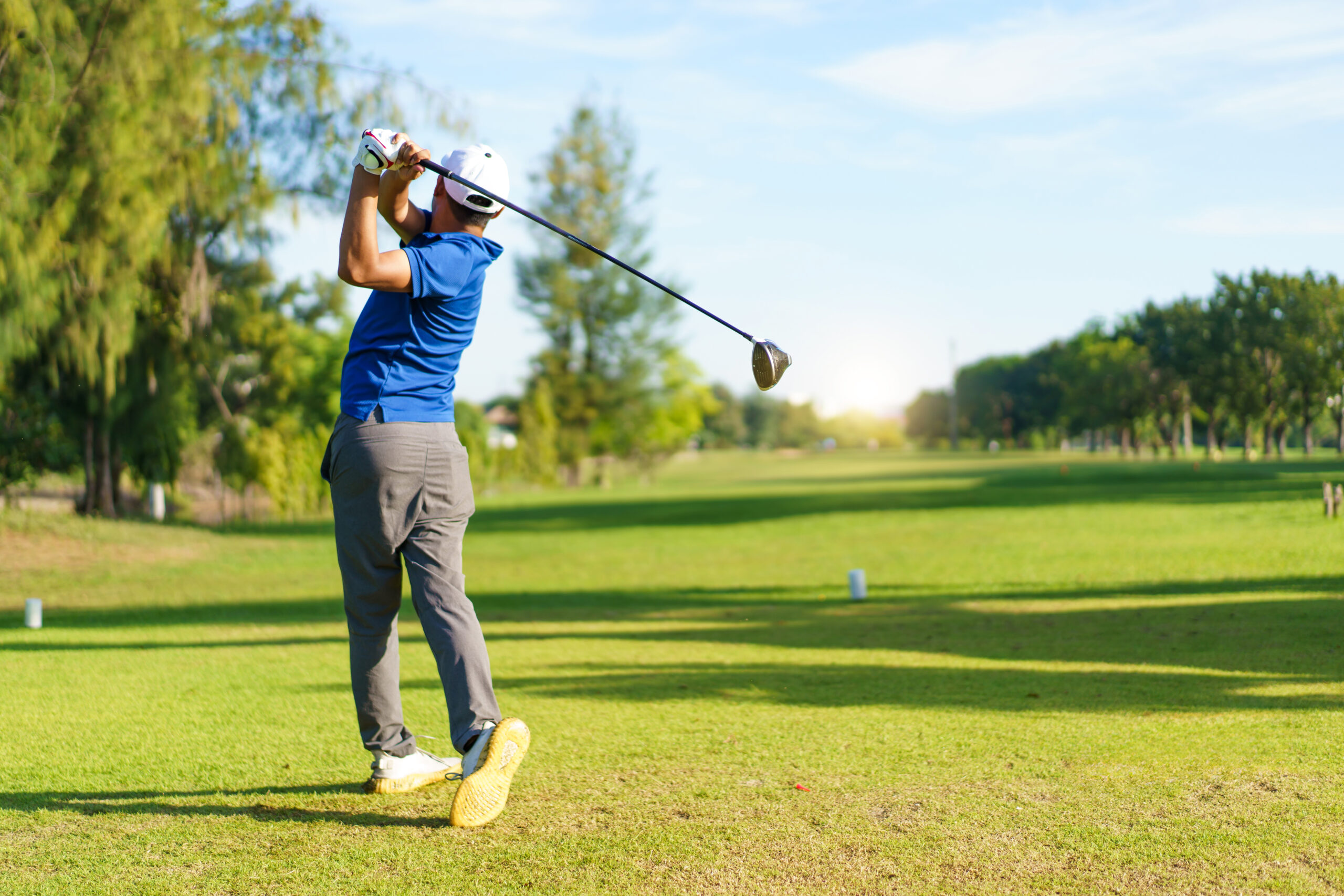
Golf and pickleball help many South Florida adults remain active and socially connected throughout the year. Repetitive motions, rapid direction changes, and sudden increases in activity can place stress on the joints and soft tissues causing injuries. Returning too quickly after an injury may aggravate symptoms or create compensatory movement patterns keeping you away from the sports that keep you social, active, and fulfilled.
If you want to return to golf or pickleball after an injury, a sports medicine evaluation and personalized rehabilitation plan can help you return to the game you love more safely.
Why Golf and Pickleball Injuries Are Common
Common injury factors can include:
- Repetitive swinging
- Sudden starts, stops, and changes in direction
- Frequent rotation through the back and hips
- Overhead and reaching movements
- Limited warmups or recovery
- Playing more frequently than the body is prepared for
- Returning to activity before an injury has fully recovered
Thanks to the weather in South Florida, golf and pickleball can be played year-round, which may give the body fewer natural breaks from repetitive activity.
Common Golf Injuries
Golfer’s Elbow
- Pain or tenderness along the inside of the elbow
- Discomfort when gripping the club
- Symptoms associated with repetitive wrist and forearm use
Shoulder Pain
- Rotator cuff irritation
- Limited shoulder mobility
- Pain during the backswing or follow-through
Lower-Back Pain
- Repetitive spinal rotation
- Limited hip mobility
- Reduced core strength or control
- Pain that develops during or after a round
Knee and Hip Pain
- Stress created during pivoting and weight transfer
- Arthritis symptoms aggravated by prolonged walking or rotation
- Compensation caused by limited mobility elsewhere
Common Pickleball Injuries
Pickleball Elbow
- Overuse of the forearm tendons
- Pain while gripping or swinging the paddle
- Symptoms that worsen with frequent play
Shoulder Injuries
- Rotator cuff or tendon irritation
- Pain during serves and overhead shots
- Reduced strength or range of motion
Knee and Ankle Injuries
- Sprains, strains, and overuse pain
- Sudden changes in direction
- Falls or awkward landings
Lower-Back Pain
- Repeated bending and rotating
- Reaching for low shots
- Playing with limited hip or trunk mobility
Why Pain Relief Does Not Always Mean You Are Ready to Return
Rest may reduce symptoms without restoring strength or mobility. The injured area may still be unable to tolerate the demands of the sports like golf and pickleball. Often, other muscles and joints may compensate for the injury which can create even more issues for your body.
Returning at full intensity before you are ready to return can lead to recurring symptoms and exacerbate the injury. Readiness to go back to the sports you love should be based on function as well as pain levels.
Signs You May Be Returning Too Quickly
Watch for:
- Pain during play or later that day
- Swelling after activity
- Reduced range of motion
- Weakness or instability
- Changing the swing or movement pattern to avoid discomfort
- Needing pain medication to participate
- Symptoms that are progressively worsening
What a Gradual Return-to-Sport Plan May Include
Restore Comfortable Movement
The first part of your plan may focus on regaining appropriate mobility in the injured joint and surrounding areas. Dr. Rothenberg may address stiffness that may affect your sports technique and create a plan to slowly restore comfortable movement.
Rebuild Strength and Stability
Once comfortable movement is restored, we can focus on strengthening the muscles required for swinging, gripping, pivoting, and changing direction. We want to work with you to rebuild strength, increase stability, improve balance and focus on joint control.
Reintroduce Sport-Specific Movements
Some examples could be:
- Practice swings before completing a full golf round
- Short pickleball sessions before returning to regular matches
- Controlled lateral movements before faster court play
- Gradual serving, overhead, or rotational drills
Increase Volume Before Intensity
- Begin with shorter sessions.
- Schedule recovery days.
- Increase duration, speed, and competitive intensity gradually.
- Monitor how the body responds during the following 24–48 hours.
How Orthopedic Care and Rehabilitation Support Your Return
A personalized plan may include:
- Evaluation of the injury and contributing movement factors
- Imaging when medically appropriate
- Activity modification
- Physical therapy or rehabilitation
- Image-guided treatments when appropriate
- Guidance on safely progressing activity
- Strategies to reduce reinjury risk
Our team at Rothenberg Orthopedics Regenerative & Sports Medicine coordinates with Barwis Physical Therapy in our same building, to connect medical evaluation with functional rehabilitation.
When to See a Sports Injury Doctor
Schedule an evaluation when:
- Pain is not improving
- Symptoms repeatedly return during play
- Swelling or instability is present
- Movement or strength is limited
- Pain interferes with walking or daily activities
- An injury followed a fall, twist, or sudden impact
Return to the Activities You Love With a Personalized Plan
If an injury is keeping you away from the golf course or pickleball court, Rothenberg Orthopedics Regenerative & Sports Medicine can help identify the cause and create a personalized path forward. Schedule an appointment with Dr. Rothenberg of Rothenberg Orthopedics Regenerative & Sports Medicine, in Boca Raton. Our team will get back to you within 24-48 hours and aim to schedule your appointment within 72 hours of contacting us.