Mild soreness can be a normal response to unfamiliar or intense physical activity. Not every painful symptom should be dismissed as ordinary soreness. Rest may temporarily reduce symptoms without addressing the underlying injury. Recognizing warning signs can help athletes and parents determine when to schedule an evaluation.
Normal Soreness or a Possible Injury?
The difference between normal soreness symptoms after activities and possible injury symptoms can show up in various ways, but a few ways to spot the difference can include:
Typical Post-Exercise Soreness
Often:
- Begins several hours after activity
- Affects the muscles used during exercise
- Feels like general tenderness or stiffness
- Improves gradually over several days
- Does not usually cause significant swelling or instability
Symptoms That May Indicate an Injury
May include:
- Sharp or localized pain
- Pain that began during a specific movement
- Joint swelling
- Bruising
- Weakness or instability
- Reduced range of motion
- Pain that worsens with continued activity
Only a medical evaluation can determine the diagnosis and our team at Rothenberg Orthopedics Regenerative & Sports Medicine can help you schedule a visit with Dr. Rothenberg with the first available appointment.
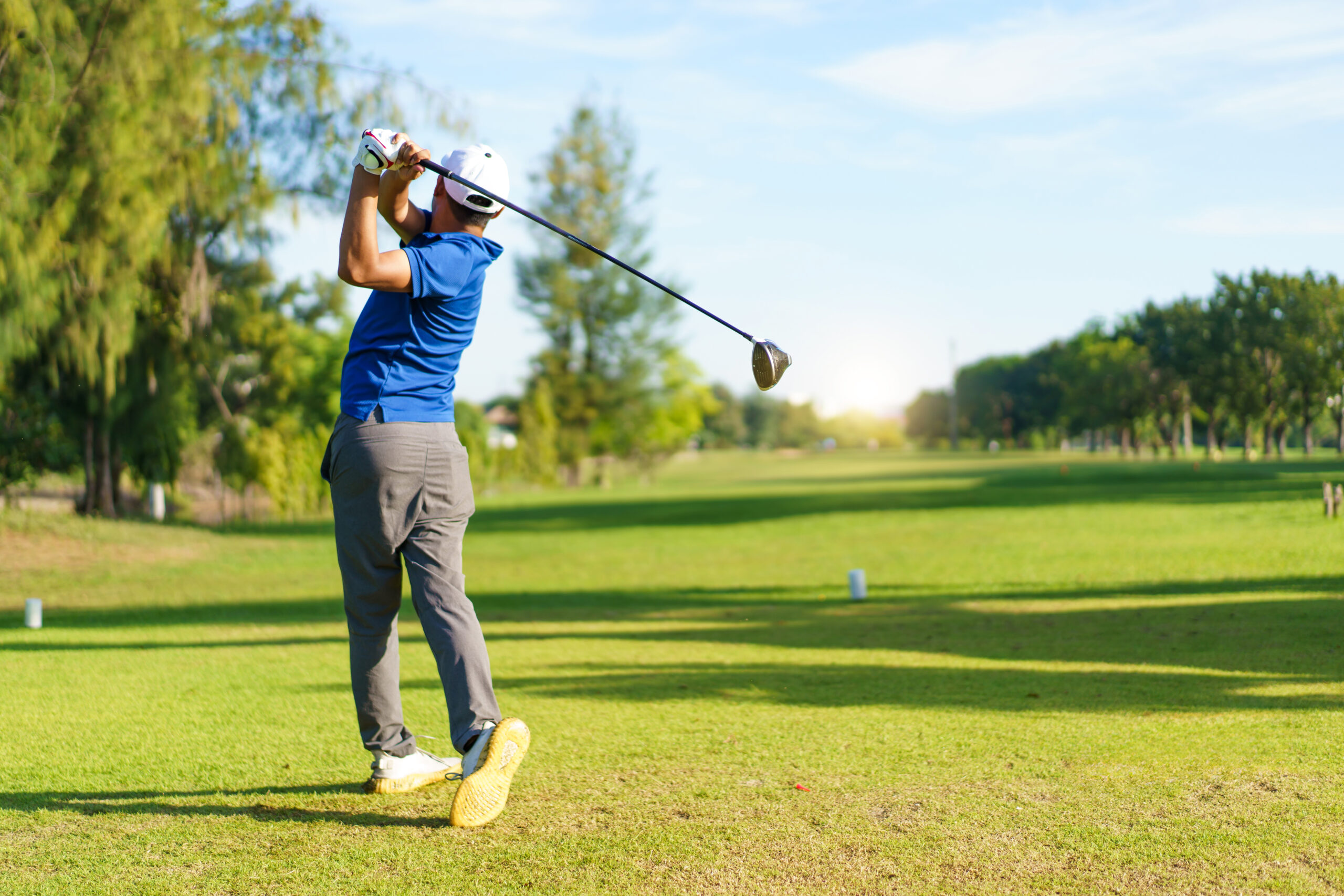
If you are actively playing golf, pickleball, pick up basketball, or your favorite weekend sport and have been feeling sore or new pain, we have put together a few signs that may mean it is time to seek medical attention.
Seven Signs It Can Be Time to Seek Medical Attention
1. Pain Persists Despite Rest
- Pain continues beyond the expected period of soreness.
- Symptoms return whenever the athlete resumes activity.
- Rest provides only temporary relief.
2. Swelling Does Not Improve or Keeps Returning
- Persistent swelling may indicate irritation or structural injury.
- Recurrent swelling after activity should not be ignored.
- Compare the injured joint with the unaffected side when appropriate.
3. The Joint Feels Unstable or Gives Way
- The knee, ankle, shoulder, or another joint feels unreliable.
- The athlete cannot confidently bear weight, pivot, throw, or change direction.
- Instability can increase the risk of another injury.
4. Movement Is Limited
- Difficulty bending or straightening a joint
- Inability to raise the arm normally
- Reduced neck or back movement
- A joint that feels locked or catches during movement
5. Strength Has Decreased
- Trouble gripping, lifting, pushing, running, or jumping
- One side feels noticeably weaker
- The athlete can perform the activity only by changing technique
6. Numbness, Tingling, or Radiating Pain Develops
- Symptoms travel into an arm or leg.
- Numbness or tingling accompanies neck or back pain.
- The athlete experiences unusual weakness or changes in coordination.
Seek immediate medical attention for significant or worsening neurological symptoms.
7. Pain Interferes With Daily Life or Sleep
- Pain affects walking, climbing stairs, working, or attending school.
- Symptoms interrupt sleep.
- The athlete avoids normal movement because of discomfort.
A consultation with Dr. Rothenberg will allow us to create a non-surgical plan for you. Rothenberg Orthopedics Regenerative & Sports Medicine is in-network with Humana. Read our blog to learn more.
Symptoms That Require More Urgent Evaluation
If you are ever experiencing any of the following symptoms, you might require urgent evaluation by a medical professional and not wait to schedule an appointment.
Urgent or emergency care may be required for:
- An obvious deformity
- Inability to bear weight after an acute injury
- Severe swelling or rapidly increasing pain
- Loss of sensation or significant weakness
- A joint that appears dislocated
- Loss of bowel or bladder control with back pain
- Symptoms following a significant head, neck, or spine injury
Why Continuing to Play Through Pain Can Be Risky
Oftentimes people continue to play their favorite hobbies through the pain, but this can be risky and create larger issues in the future. The body may compensate by changing movement patterns. What started as a minor injury may become more difficult to manage. Weakness or instability can contribute to another injury as your body overcompensates for the original injury.
The pain may also alter technique and performance. If you continue to play through pain as an athlete, you may require a longer break if symptoms are repeatedly aggravated.
What to Expect During a Sports Medicine Evaluation
A consultation with Dr. Rothenberg of Roth ORSM might include:
- Discussing how and when the injury occurred
- Reviewing symptoms and activity demands
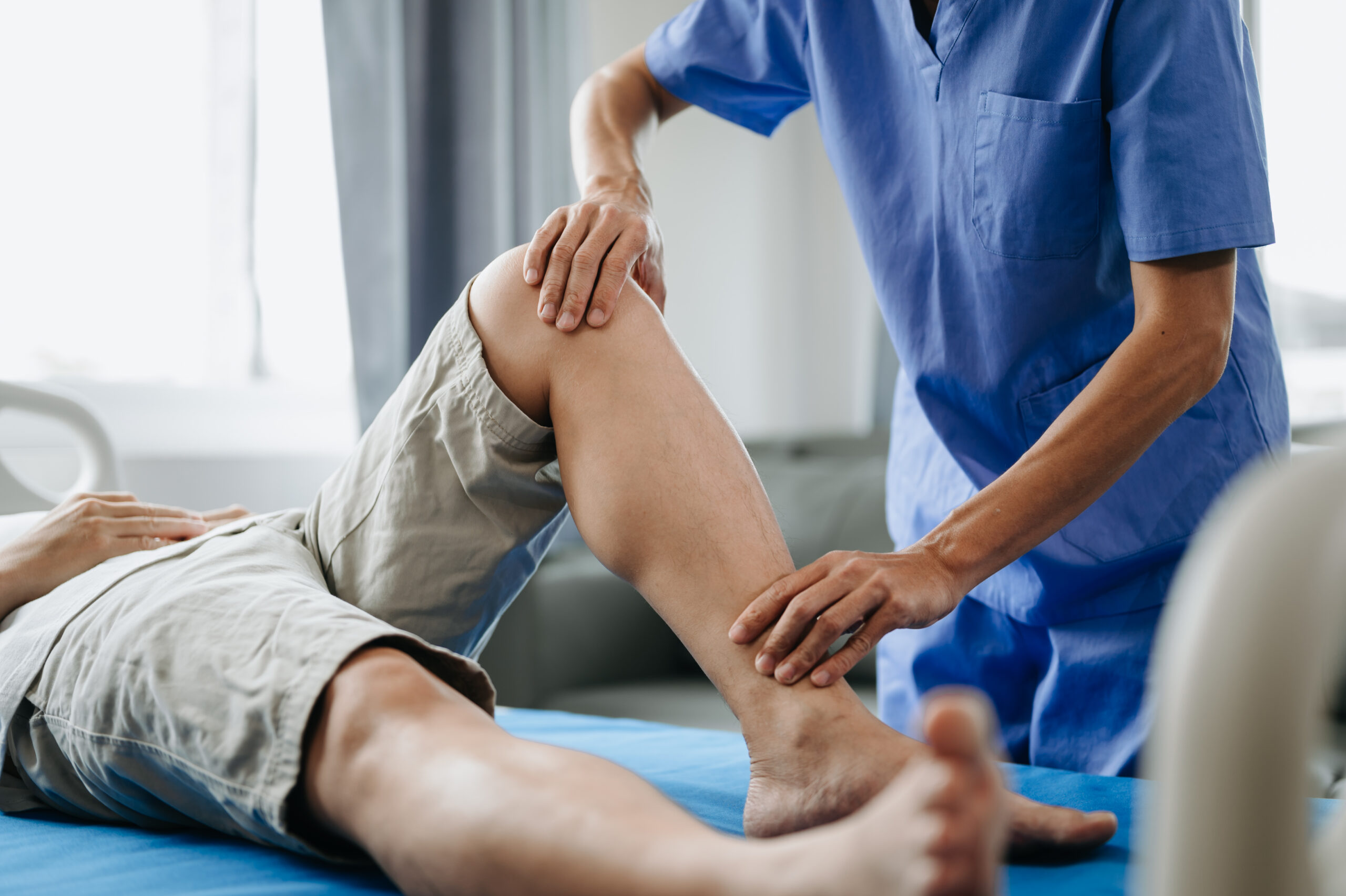
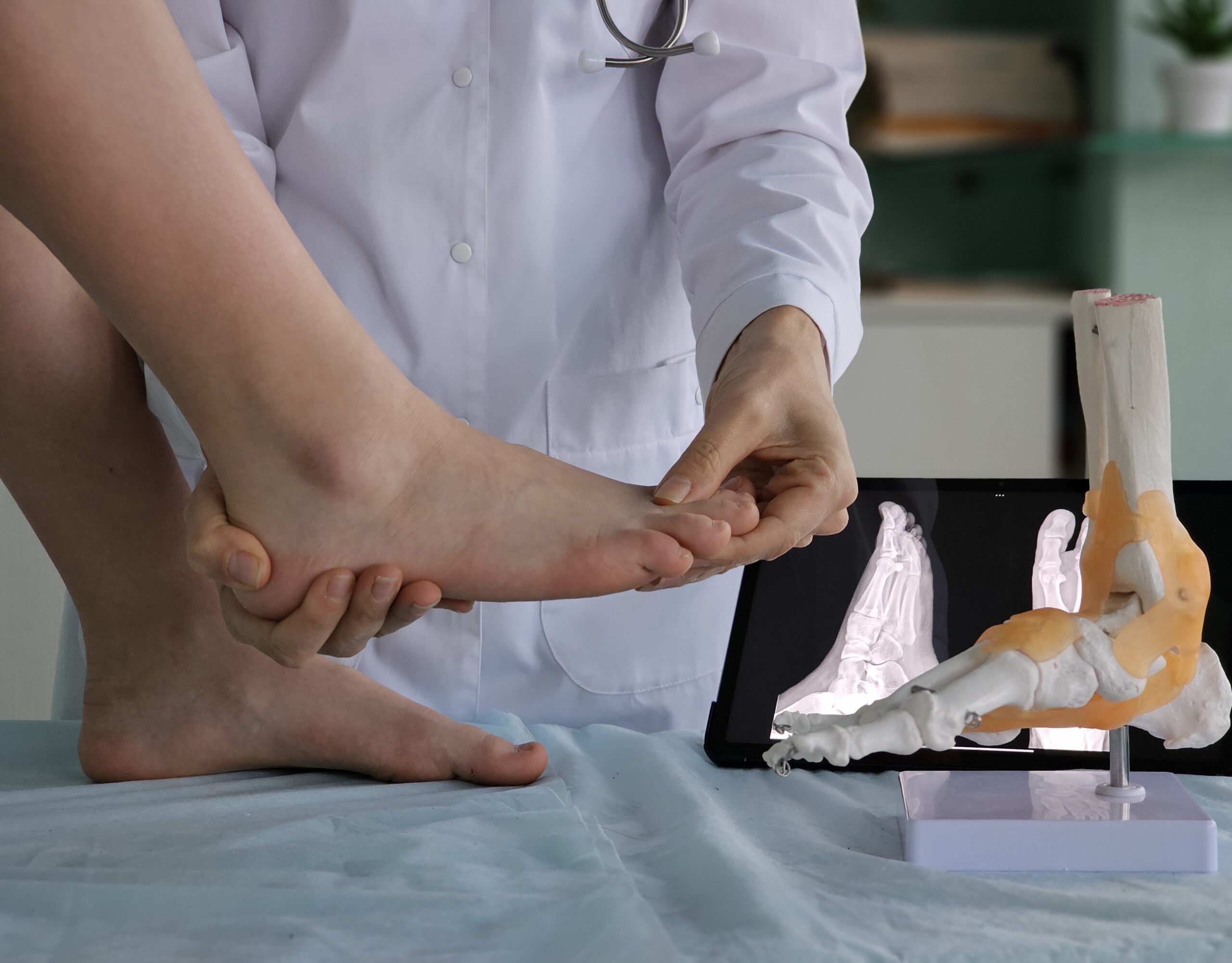
- A Physical examination
- Strength, stability, and range-of-motion testing
- In-office X-rays or other imaging when appropriate
- A personalized treatment and rehabilitation plan
Does Every Sports Injury Require Surgery?
Before opting for surgery, come in for a second opinion from Rothenberg Orthopedics Regenerative & Sports Medicine. Many sports injuries can be managed without surgery and our team will discuss all non-surgical options with you if possible. Non-surgical treatment plans for an injury depend on the diagnosis, severity, age, activity level, and goals. A full scope non-surgical plan may include activity modification, rehabilitation, medications, image-guided injections, orthobiologic treatments, or minimally invasive procedures.
Schedule a Sports Medicine Evaluation in Boca Raton
If pain, swelling, instability, or reduced movement is keeping you or your child from participating comfortably in the activities you love, it may be time for an evaluation. Contact Rothenberg Orthopedics Regenerative & Sports Medicine to schedule an appointment with Dr. Rothenberg in Boca Raton.