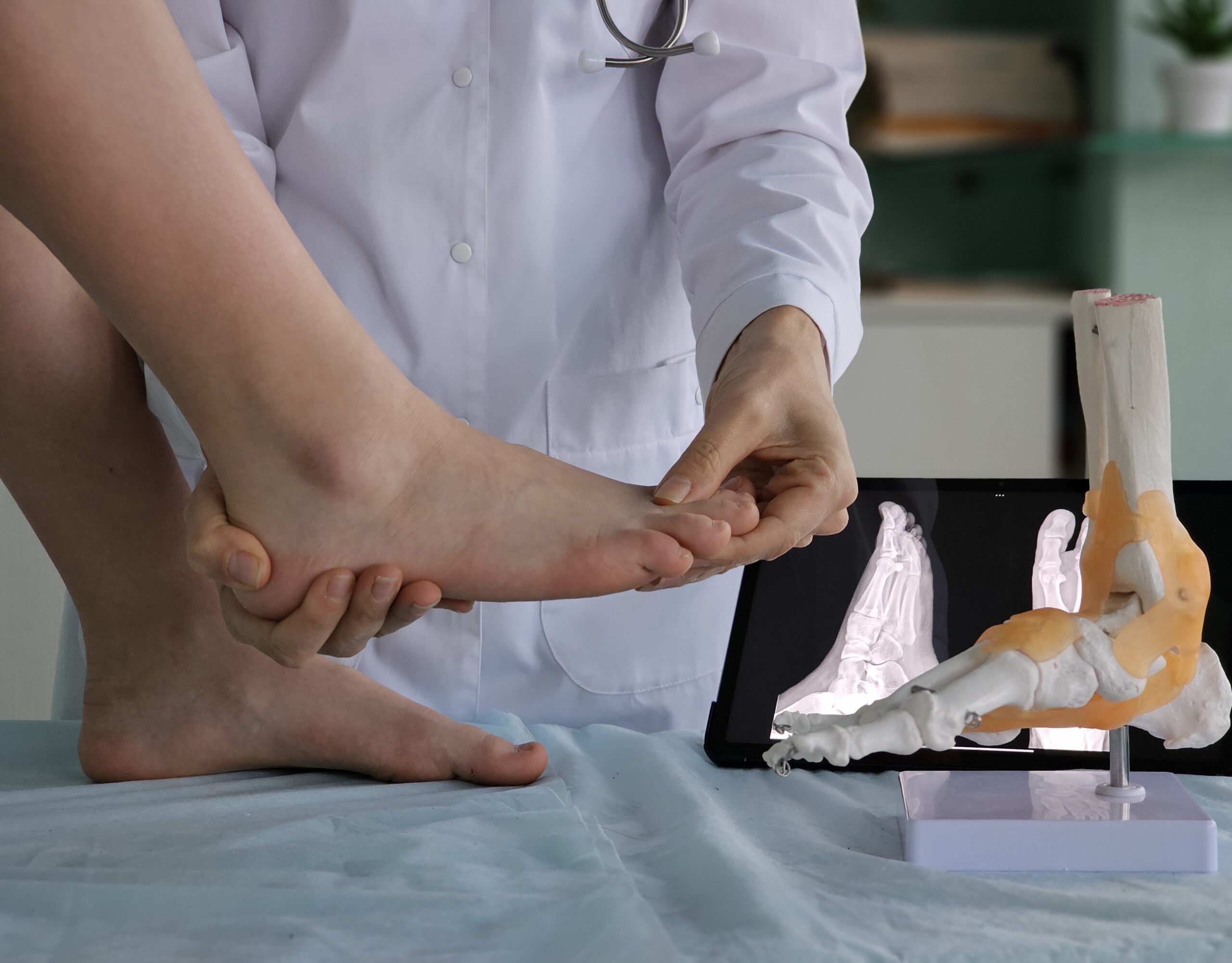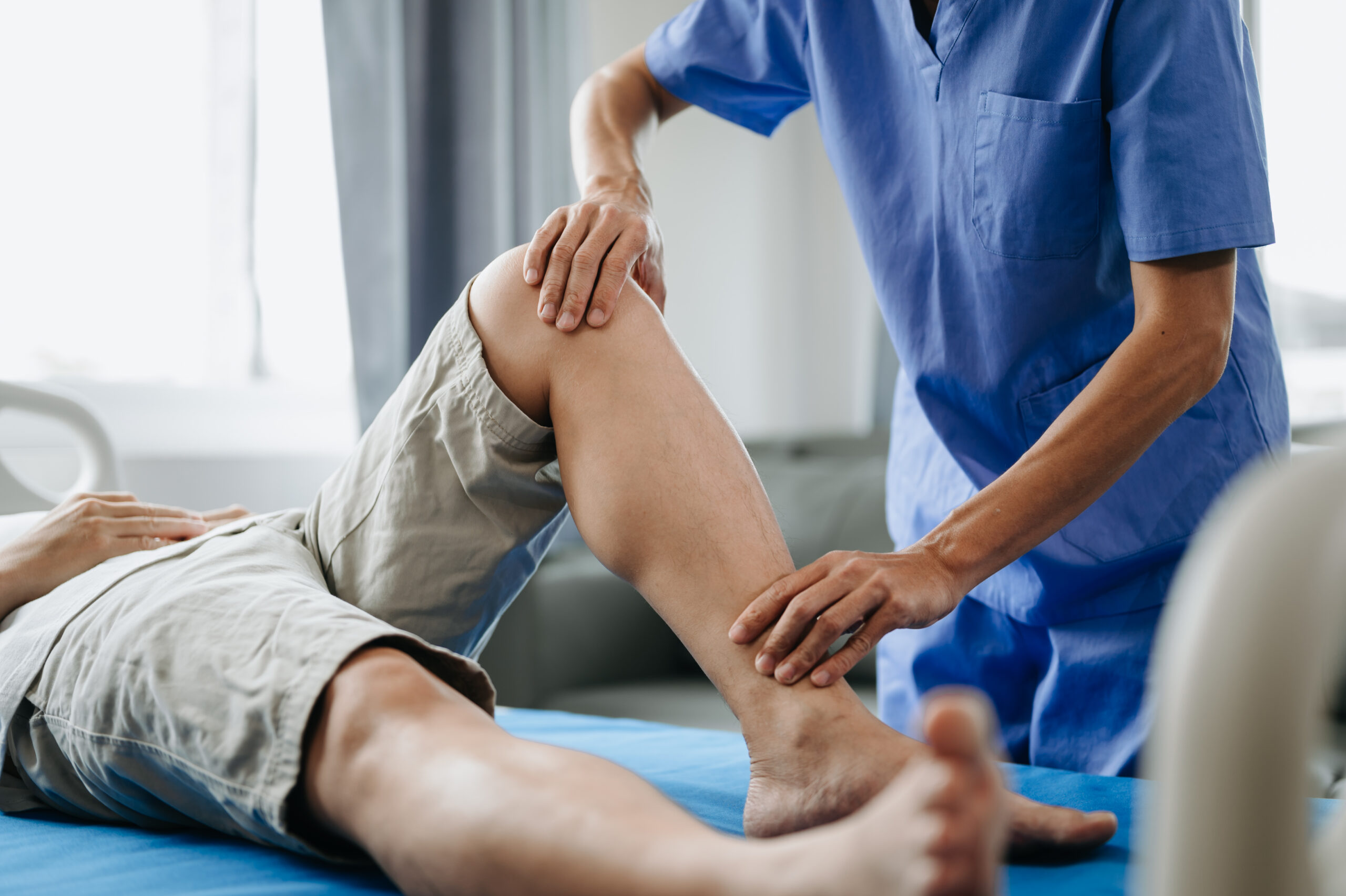

When most people hear “orthopedic care,” they think of surgery. But not many know that orthopedics also includes ways to support the body’s natural ability to heal.
At Rothenberg Orthopedics Regenerative & Sports Medicine in Boca Raton, Florida, we specialize in non-surgical orthopedic treatments designed to reduce pain, improve function, and restore movement. From chronic joint issues to sports-related injuries, our treatments combine advanced diagnostics and personalized, minimally invasive care to help you get back to doing what you love.
What Is Orthopedic Care?
A Modern Approach to Musculoskeletal Health
Orthopedic care focuses on diagnosing, treating, and preventing conditions affecting the bones, joints, muscles, tendons, and ligaments. While many think orthopedic care exclusively includes surgery, today’s advances in orthobiologic medicine and precision imaging mean there are a number of less invasive options available to patients.
Dr. Joshua Rothenberg, a double board-certified specialist in Sports Medicine and Physical Medicine and Rehabilitation, explains: “Most people associate orthopedics with surgery. But what I do is a little different. I focus on helping people avoid surgery when possible by using non-surgical treatments that support the body’s ability to heal.”
Surgical vs. Non-Surgical Orthopedic Care
Of course, surgical care may still be necessary in some cases. But for many conditions, there are effective non-surgical options that offer faster recovery and fewer risks. These include image-guided injections, physical therapy, orthobiologic treatments, and innovative tools like laser therapy.
“I develop a unique tailor-made approach for each patient, taking their goals into account,” says Dr. Rothenberg. “We use tools like ultrasound and fluoroscopy to precisely guide injections, and advanced treatments like prolotherapy, platelet-rich plasma (PRP therapy), bone marrow aspirate concentrate (BMAC), micro-fragmented adipose tissue (MFAT), and laser therapy to support the body’s natural healing processes.”
When to See an Orthopedic Specialist
If you’re living with chronic joint or back pain, limited mobility, or recovering from an injury, it may be time to consult an orthopedic specialist. The right provider can help identify the root cause of your pain and design an effective treatment plan.
“My goal is to get you back to moving and living well without needing to go under the knife,” adds Dr. Rothenberg. “My approach is always individualized. I start by listening to your story, understanding how the issue affects your life, and doing a targeted exam with imaging as needed. Treatment plans are unique to each individual patient. The idea is to reduce pain, improve function, and support healing without surgery.”
Most Common Orthopedic Conditions We Treat
Dr. Rothenberg’s patients range from active adults to retirees, from professionals to amateur athletes. Here are some of the most common conditions he treats at his practice:
Osteoarthritis and Joint Degeneration
Osteoarthritis is one of the leading causes of joint pain and stiffness in older adults. It most commonly affects the knees, hips, and shoulders, often due to wear and tear over time.
“We see a lot of patients with joint degeneration, especially in the knees, hips, and shoulders,” says Dr. Rothenberg. “Our goal is to reduce pain, support healing, and help them stay mobile without the need for surgery.”
Back and Spine Pain
Lower back pain is a widespread issue among all age groups. Whether due to degenerative disc changes, muscular imbalances, a pinched nerve, spine arthritis, or injuries, non-surgical interventions can often provide significant relief.
Tendonitis and Overuse Injuries
From tennis elbow to rotator cuff irritation, overuse injuries are common among both athletes and weekend warriors. “We offer comprehensive care for tendinopathies and partial tendon tears, addressing most common conditions, including those in the hip (gluteal tendons), shoulder (rotator cuff), elbow (tennis and golfer’s elbow), and ankle (Achilles tendon),” Dr. Rothenberg shares.
Repetitive Strain Injuries
Tech neck, carpal tunnel, and posture-related tension are on the rise among professionals who work at a desk. Identifying the source of strain early and addressing it with targeted therapies can prevent long-term damage.
Early-Stage Arthritis in Active Adults
You don’t have to be retired to experience joint pain. Many adults in their 30s, 40s, and 50s begin feeling the effects of early joint degeneration or injury-related inflammation. Don’t wait until pain gets worse. Early intervention is key to staying active and avoiding more invasive treatments in the future.
Non-Surgical Treatment Options Available
Why consider non-surgical treatment options? “It’s a real game-changer for people who want to stay active and avoid surgery,” says Dr. Rothenberg.
Orthobiologic Therapies
These natural treatments use the body’s own biological materials to help promote healing. Platelet-rich plasma (PRP)* and bone marrow aspirate concentrate (BMAC) are injected into targeted areas to support tissue repair and reduce inflammation.
“I’m really excited about how far biologic treatments have come,” says Dr. Rothenberg. “We now have better science, better preparation systems, and better guidance tools like ultrasound to make them more effective.”
MLS Laser Therapy
For those seeking non-invasive pain relief, MLS Class IV laser therapy is another promising option. This technology uses specific wavelengths of light to help reduce inflammation and control pain.
Functional Recovery and Movement-Focused Care
Dr. Rothenberg works closely with physical therapists to create a comprehensive recovery plan. Treatments are designed to restore strength, improve balance, and support function.
Lifestyle and Preventative Support
Long-term results require long-term thinking. Patients receive guidance on nutrition, posture, and exercise to help them avoid reinjury and protect joint health moving forward.
What to Expect at Rothenberg Orthopedics Regenerative & Sports Medicine
Personalized Treatment Plans
Every patient’s journey begins with an in-depth consultation. Dr. Rothenberg takes the time to listen to your story, evaluate your movement, and use diagnostic imaging to identify the root cause of pain.
“My approach is built around minimally invasive, image-guided, and biologically focused care,” he says. “I explain the ‘why’ behind each step we take and tailor the plan to each person’s unique needs.”
Focus on Long-Term Wellness
Rather than alleviating symptoms, Dr. Rothenberg aims to treat the underlying issue, with an ultimate goal of improving patients’ overall movement and quality of life.
“I want you to feel better and stay better,” he adds. “We have ways to help reduce pain, reduce inflammation, and get you moving again. It starts with the right diagnosis and a thoughtful, personalized plan.”
Is Non-Surgical Orthopedic Care Right for You?
Who Is It For?
- Have you been living with joint, tendon, or back pain for months or years?
- Do you want to avoid surgery or can’t take extended time off to recover?
- Have you tried other treatments and haven’t found lasting relief?
- Are you active and want to maintain your mobility and lifestyle?
- Are you looking for a personalized, minimally invasive solution?
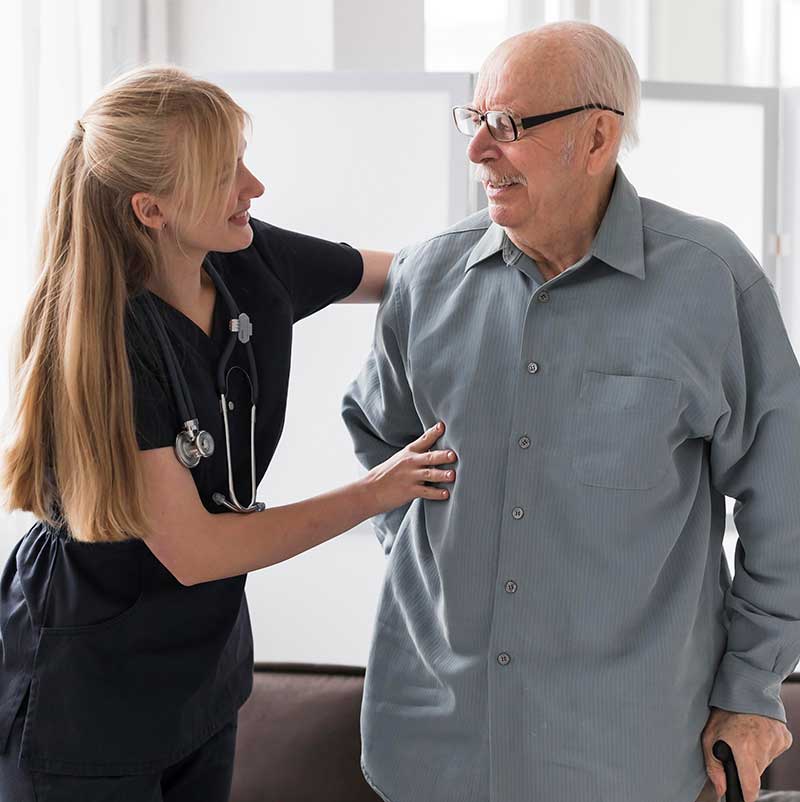
If you answered ‘yes’ to any of the above, then non-surgical orthopedic care may be right for you.
Explore Non-Surgical Orthopedic Care in Boca Raton
The first step is a conversation. Whether you’ve been told surgery is your only option or you’re simply exploring what’s available, Dr. Rothenberg is here to help.
“You don’t have to keep suffering, and surgery isn’t your only option,” he says. “We now have innovative treatments that can make a real difference.”
Dr. Rothenberg’s reputation is built on credentials, experience, and a genuine commitment to his patients’ quality of life. If you’re ready to move better, feel better, and avoid unnecessary surgery, we invite you to book your consultation today.
* Disclaimer: Platelet-Rich Plasma therapy (PRP), Bone Marrow Aspirate Concentrate (BMAC), Micro-Fragmented Adipose Tissue (MFAT), Dextrose Prolotherapy, and MLS Class IV laser are not currently FDA-approved for most musculoskeletal conditions and are considered an off-label treatment. While clinical studies show promising results, individual outcomes may vary. Always consult with a qualified medical professional to determine if these options may be appropriate for your condition.